
Transplant Medicine
Extensive Portfolio for Transplant Medicines
Post-transplant care requires consistent, lifelong medication. We offer the widest product range of immunosuppressants and anti-rejection therapies to support you throughout your healthcare journey.
✨ Suppressing the immune system is vital to prevent graft rejection and protect the newly transplanted organ.

Understanding Organ & Tissue Transplantation
An organ transplant is a complex, invasive process replacing a non-functioning or damaged organ with a healthy one. Immunosuppressants are mandatory to block the recipient's immune system from identifying the new organ as foreign and rejecting it.
Organ Transplantation
Mandatory in life-threatening conditions. Includes kidney, liver, heart, lung, pancreatic, and intestinal transplantation.
Tissue Transplantation
Involves grafting structural tissues such as bone, tendon, corneas, skin, heart-valves, nerves, and veins.
When is Transplant Needed?
Required for end-stage renal/liver failure, cystic fibrosis, congenital organ defects, coronary artery disease, or chronic pulmonary disease.
Graft Survival Benefits
Organ transplantation is a life-saving procedure. It successfully restores normal bodily functions and increases patient survival and quality of life.
Medications Required After Organ Transplant
Immunosuppressants and antibodies designed to desensitize host immunity and protect graft viability.
Anti-Rejection Medicines
Primary immunosuppressive therapies that suppress the immune cells targeting the transplanted organ.
Mycophenolate Sodium
A delayed-release formulation designed to deliver mycophenolic acid while reducing gastrointestinal side effects.
Monoclonal Antibodies
High-precision induction agents administered perioperatively to prevent acute early-stage rejection.
Corticosteroids
Broad-spectrum anti-inflammatory hormones critical to control inflammation and manage acute rejection episodes.
Post-Transplant Care Guidelines
Post-transplant care is a lifelong commitment. Consistent adherence to guidelines is essential for graft health.
Regular Medicines
Taking your immunosuppressants at exact daily intervals is crucial to prevent the immune system from waking up and rejecting the organ.
Regular Monitoring
Schedule regular check-ups and laboratory testing to track drug blood concentrations, preventing toxic side effects and rejection.
Weight Management
Cortisone therapies can increase appetite. Strive to maintain a balanced, healthy body weight through calorie tracking.
Transplant-Friendly Diet
Adhere to strict food hygiene (avoid raw/undercooked foods and grapefruit) to protect against foodborne infections while on immunosuppression.
Transplant Formulations
Showing 9 of 75 medicines

Cellcept 500mg Tablet
Mycophenolate Mofetil
Immunosuppressants are the class of medications that Cellcept 500mg Tablet belongs to. With other medications, it is used to prevent your body from rejecting a new organ (such as a liver, kidney, o...
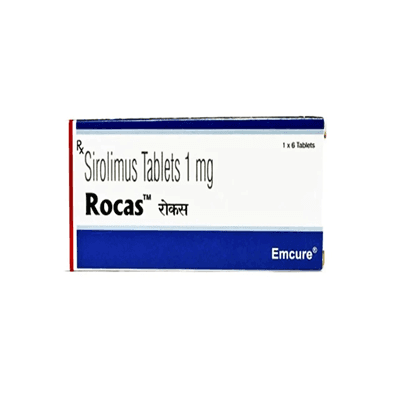
Rocas 1mg Tablet
Sirolimus
Preventing organ rejection in transplant patients with Rocas 1mg Tablet is one of the uses for this medication. By controlling the immune system it facilitates organ acceptance.
Emtor 1mg Tablet
Sirolimus
Preventing organ rejection in transplant patients with Emtor 1mg Tablet is one of the uses for this medication. By controlling the immune system, it facilitates organ acceptance.
Toraft 1mg Tablet
Sirolimus
Preventing organ rejection in transplant patients with Toraft 1mg Tablet is one of the uses for this medication. By controlling the immune system, it facilitates organ acceptance.
Limus 1mg Tablet
Sirolimus
Preventing organ rejection in transplant patients with Limus 1mg Tablet is one of the uses for this medication. Controlling the immune system, it facilitates organ acceptance.
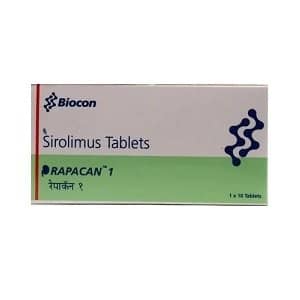
Rapacan 1mg Tablet
Sirolimus
Preventing organ rejection in transplant patients with Rapacan 1mg Tablet is one of the uses for this medication. By controlling the immune system, it facilitates organ acceptance.
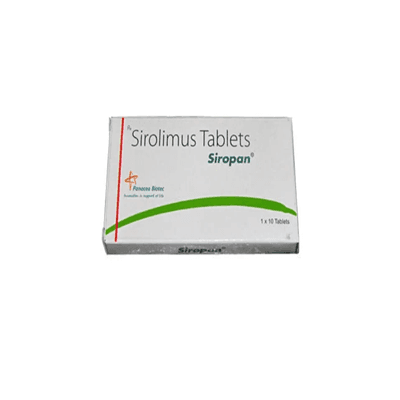
Siropan 1mg Tablet
Sirolimus
Preventing organ rejection in transplant patients with Siropan 1mg Tablet is one of the uses for this medication. By controlling the immune system, it facilitates organ acceptance.
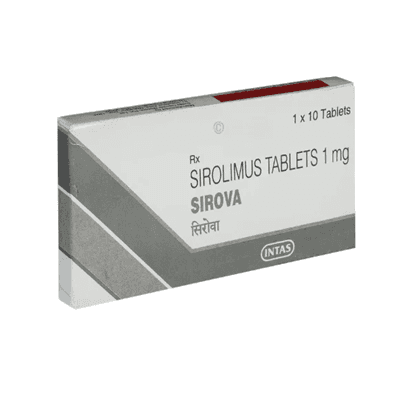
Sirova 1mg Tablet
Sirolimus
Preventing organ rejection in transplant patients with Sirova 1mg Tablet is one of the uses for this medication. By controlling the immune system, it facilitates organ acceptance.
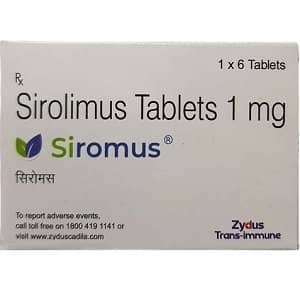
Siromus 1mg Tablet
Sirolimus
Preventing organ rejection in transplant patients with Siromus 1mg Tablet is one of the uses for this medication. By controlling the immune system, it facilitates organ acceptance.
Frequently Asked Questions
Find answers to the most common queries regarding Transplant Medicines treatments, sourcing, and management.